

ChatGPT Nearly Doubles Audience in 12 Months
ChatGPT’s U.S. audience surged dramatically over the past year, with unique visitor figures jumping 76% year over year reaching 72.9 million in January 2026
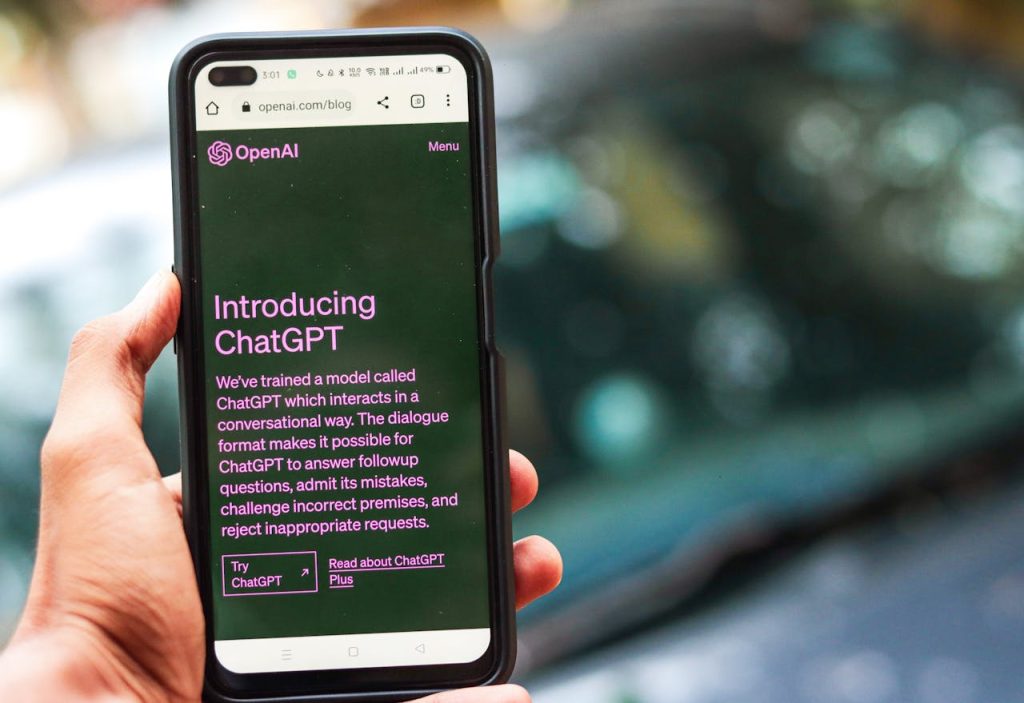
ChatGPT’s U.S. audience surged dramatically over the past year, with unique visitor figures jumping 76% year over year. A March Comscore report shows the service grew from 41.5 million U.S. unique visitors in January 2025 to 72.9 million in January 2026, signaling a rapid expansion of mainstream use for conversational AI.
The growth reflects several converging factors. Technical improvements in language models have produced more reliable, useful, and context-aware responses, making the tool more attractive for a wider set of tasks. Expanded integrations into productivity suites, search engines, messaging apps, and third‑party platforms lowered friction for new users, while partnerships and API adoption allowed businesses to embed conversational features directly into customer support, content workflows, and consumer-facing products. Media coverage and viral social posts showcasing creative and practical uses of ChatGPT also helped drive awareness and trial among less tech‑savvy audiences.
Chat GPT user behavior
User behavior during this period suggests broader diversification of use cases. Early adopters who used ChatGPT primarily for coding help or experimentation were joined by students, professionals, small business owners, and casual users employing the model for drafting emails, generating ideas, creating learning materials, summarizing content, and casual conversation. This move from niche to everyday utility contributed to higher retention and more frequent visits per user in addition to attracting new visitors.
The rapid audience expansion creates both commercial upside and operational pressures. On the commercial side, larger scale justifies further investment in product features, safety research, and infrastructure, and it supports monetization strategies such as subscriptions and enterprise offerings. For developers and third‑party integrators, a bigger audience expands market opportunity for specialized apps and plugins that enhance domain‑specific workflows.
Challanges
On the operational and ethical side, scaling to tens of millions of users intensifies challenges around content safety, misinformation, hallucinations, bias mitigation, user privacy, and moderation. Platforms must balance responsiveness and innovation with robust guardrails, transparent policies, and human oversight to prevent misuse and maintain public trust. Increased traffic also strains backend systems, requiring greater compute, caching, and cost optimization to keep latency low and availability high.
Comscore’s figures provide a clear quantitative snapshot of this broader transition: within a single year, generative AI services like ChatGPT moved decisively from experimental tools to mainstream utilities that influence how large segments of the public seek information, create content, and solve problems. Observers will be watching whether continued technical improvements, regulatory developments, and market competition sustain growth, how business models evolve, and how companies address the social responsibilities that accompany such rapid adoption.