
Don’t reallocate budget away from proven performance drivers
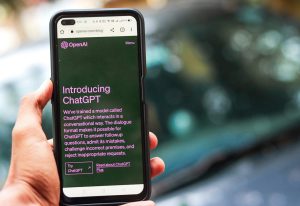
Sessions from ChatGPT, Perplexity, Claude and other agentic platforms are increasingly showing up in analytics, but the business impact is modest so far
AI agents are starting to send shoppers our way, but they’re not yet driving sales.
I’m seeing the same pattern Dell’s ecommerce lead describes: sessions from ChatGPT, Perplexity, Claude and other agentic platforms are increasingly showing up in analytics, and that’s exciting — but the business impact is uneven and modest so far.
Dell’s early tests show measurable traffic growth, but conversion rates lag behind more established channels like search. That matches what I’m observing across teams: curiosity and discovery are happening, but consistent revenue performance isn’t.
Agent-driven visits feel top-of-funnel
Agent-driven visits feel top-of-funnel. These tools act like modern aggregators — great at summarizing options, surfacing ideas, and helping people narrow choices, but not yet reliable places to finish a purchase. For higher-consideration buys, that’s especially true. So while AI discovery can boost visibility, it often funnels users back to the site, search engines, or marketplaces to complete transactions.
What’s telling is that Dell still credits on-site search as the single biggest driver of ecommerce performance. No matter how someone finds you — a GPT recommendation, a paid ad, or social — if customers can’t find the product quickly on your site, nothing else matters. That’s a reminder to keep the fundamentals tight: product data, search relevance, and UX.
Don’t reallocate budget away from proven performance drivers
There’s a twist worth watching: Dell ranks well in AI-driven discovery despite not being the largest retailer, which suggests these agents may value different signals than traditional search. Structured product data, clear content, and external references could carry more weight in agent rankings. For marketers, that means layering new optimizations on top of the basics rather than replacing them.
My takeaway: treat AI agents as an emerging discovery channel worth experimenting with, but don’t reallocate budget away from proven performance drivers yet. Invest in structured product data, sharpen on-site search and measurement, on-site product recommendations and run controlled tests to understand how agent-driven traffic converts versus other sources. Over time, that approach will let you capture the upside of AI discovery without sacrificing the revenue you already rely on.