
Mautic, probably the best marketing automation in e-commerce
Mautic, a free marketing automation platform is probably the best marketing automation for e-commerce. It needs one addon that makes Mautic will fly like Adobe
Have you heard about Mautic? Mautic began as an idea to give marketers the freedom to own their tools and their data. Rather than depending on closed, proprietary systems, a community of developers and marketers came together to build an open-source marketing automation platform that could be customized, extended, and hosted wherever an organization preferred.
Over time, Mautic grew from a simple project into a full-featured platform that helps teams design sophisticated customer journeys, capture and nurture leads, and measure marketing impact while retaining control over privacy and infrastructure.
What Mautic Does and Why It Matters
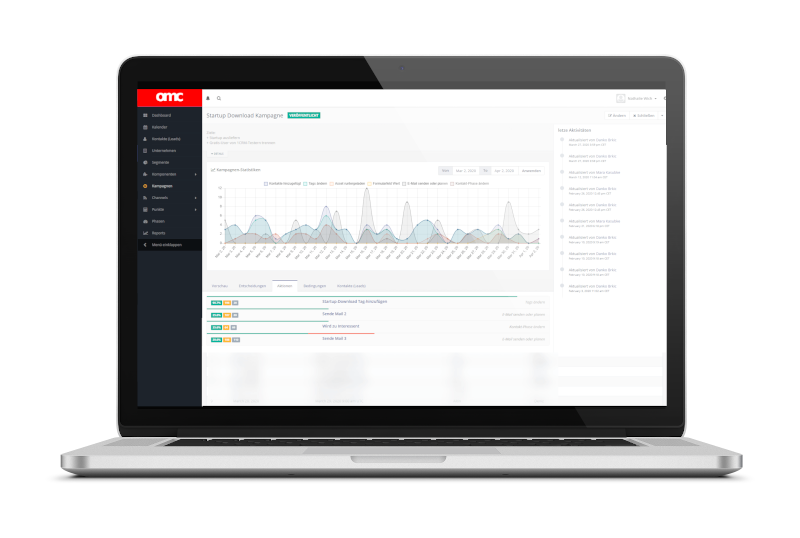
At its core, Mautic is a platform for orchestrating marketing across channels and through time. It allows teams to design visual, multi-step campaigns that react to user behavior. A marketer can draw a campaign flow that sends a welcome email when someone signs up, waits a few days, adjusts the message if the user opened a previous email, triggers an SMS when a key page is viewed, and notifies sales when a lead reaches a defined score. This visual campaign builder turns strategy into executable automation without forcing every subtle requirement into code, while also letting developers extend and customize behaviors when needed.
Mautic centralizes contact management. Each person a marketing team interacts with has a profile that combines profile details, custom fields, and a timeline of activity. Using dynamic segments, marketers can create groups that update in real time based on rules such as behavior, attributes, or campaign activity.
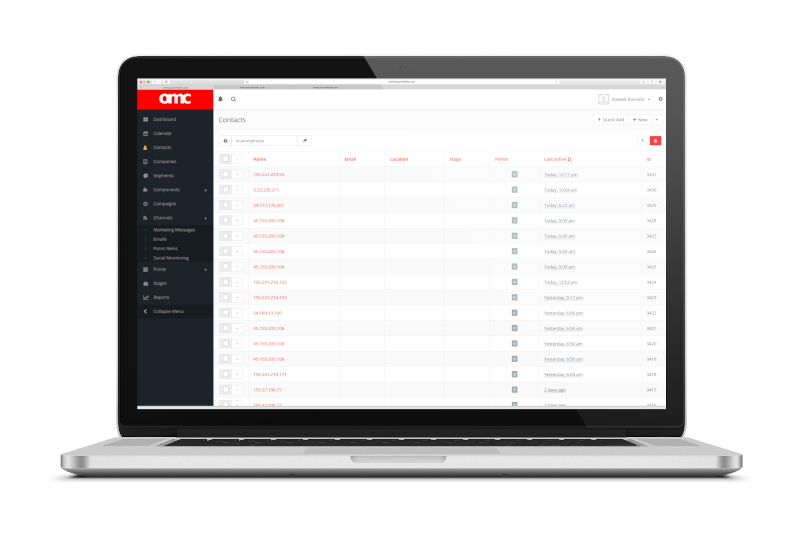
This live segmentation is how Mautic personalizes outreach: email and landing page content can use tokens to insert names, company details, or product interests, and campaigns can branch based on those attributes so each person experiences a relevant path.
Email personalization in Mautic
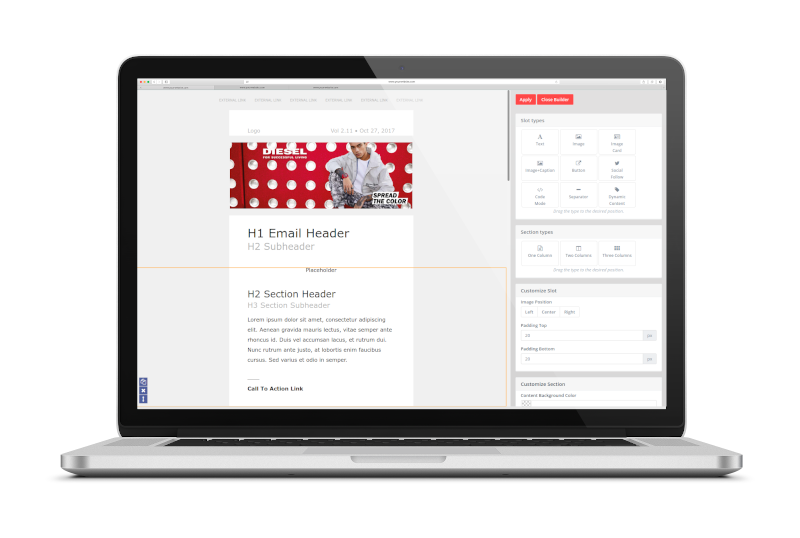
Email remains foundational, so Mautic provides both drag-and-drop and HTML builders, subject-line A/B testing, and personalization tokens. To ensure messages actually reach inboxes, Mautic integrates with SMTP and transactional providers, and supports standard deliverability practices such as DKIM and SPF setup. For on-site capture, Mautic offers form and landing-page tools with templates and progressive profiling so data collection can be gradual and user-friendly. Modal popups, embedded forms, and dedicated landing pages all tie back to campaigns and contact records.
Tracking and behavior are central to Mautic’s automation. A lightweight JavaScript tracker records page views, custom events, and referral sources. Each event appears on the contact timeline, enabling a narrative view of engagement: when they opened a particular email, which articles they read, whether they downloaded a resource. Those events feed campaign triggers and segmentation rules so the system can react in near real time.
How Does Mautic Fit Into Broader Stacks
Integration is how Mautic fits into broader stacks. It exposes a REST API for reading and writing contacts, segments, campaigns, and assets. Webhooks push events outward. Built-in connectors and community plugins link Mautic to CRMs, CMSs, e-commerce platforms, SMS gateways, and analytics tools. For organizations that want Mautic to be the marketing engine while preserving a separate CRM for sales workflows, two-way synchronization and lead-assignment rules bridge the gap and keep data flowing.
Because Mautic is open source, extensibility is part of its DNA. The codebase can be customized to add fields, change UI components, or implement bespoke logic. Themes and plugins alter visual presentation and add features. Developers can create custom event types, listeners, and integrations to meet unique organizational needs. This flexibility makes Mautic appealing to organizations that need nonstandard workflows, multi-brand management, or on-premise deployments for regulatory or compliance reasons.
How can Mautic Handle an Abandoned Cart in E-commerce?
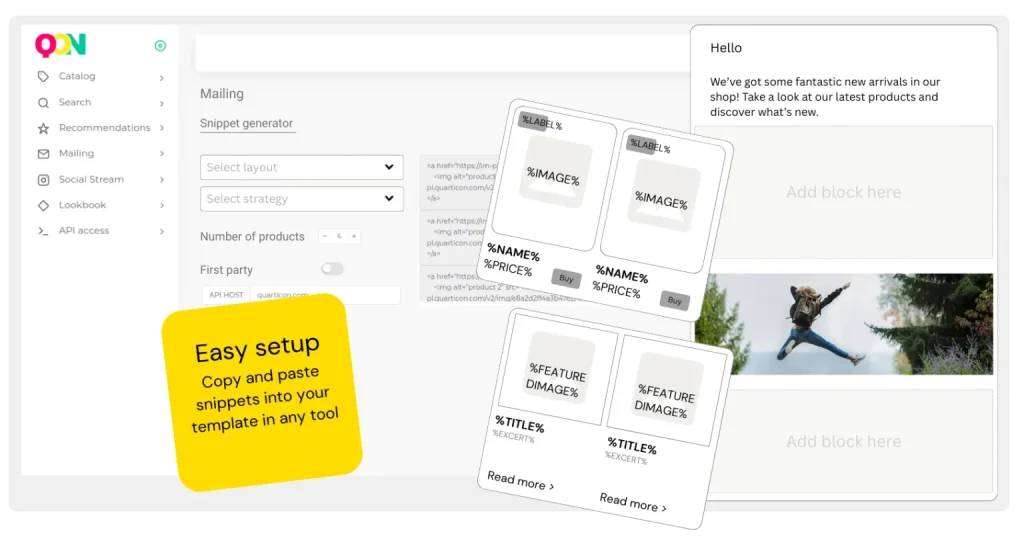
Good news for e-commerce. Mautic integrates seamlessly with Quarticon AI-mails even without REST API and webhooks, so coding skills are not required at all. Quarticon can generate and personalize AI-driven email content based on real-time behaviors. Mautic sends an email to a contact while the content (product cards) are filled in by Quarticon’s AI-mails and returns tailored body content. The only thing you have to do is add Quarticon’s snippet into your template. You can get more info (on provider’s site) how to send product recommendations in Mautic. It enables bestsellers, trending, popular, abandoned cart, abandoned browsing session, recommended for you, cross-sell, up-sell, and much more in a super-easy way.
Deployment and Operational Story
Mautic’s deployment story offers choices that reflect different organizational priorities. For a small marketing team trying to avoid vendor lock-in, self-hosting on a Linux/PHP stack with a MySQL database means total data ownership and the freedom to change anything.
For teams that lack sysadmin bandwidth, managed hosting providers run Mautic in the cloud and handle upgrades, backups, and scaling while still allowing many integrations. Some organizations adopt a hybrid approach: a core self-hosted Mautic instance that leverages cloud services for email delivery, SMS, or analytics.
Scaling Mautic typically follows known architectural patterns: a web server running the PHP application, a database, and optional queue or caching layers for performance. As email volume grows, teams often add dedicated deliverability tooling and reputable transactional providers to protect sender reputation.
The trade-offs are clear: self-hosting provides control and privacy but requires technical resources; managed hosting reduces operational burden but cedes some control over the underlying environment.
Strengths, Challenges, and Real-World Use
Mautic’s greatest strength is its combination of openness and capability. Organizations that need to own their customer data, tailor processes precisely to business logic, or integrate deeply with internal systems find Mautic empowering. The community ecosystem contributes plugins and shared knowledge, lowering the barrier to solving common problems.
Yet, the same openness can be challenging. Self-hosting requires attention to security, upgrades, and deliverability best practices. Some enterprise-grade features found in closed platforms—such as turnkey deliverability protection, sophisticated predictive analytics, or dedicated managed services—may require additional tooling, third-party services, or engineering investment in a Mautic deployment. Plugin quality can vary, and complex integrations sometimes demand custom development.
How to start with Mautic
In practice, successful Mautic projects often follow a clear path. A team begins by installing or provisioning an instance, configuring email providers and authentication, and adding the tracking script to their website. They import contact data and map custom fields, then design a simple welcome or onboarding campaign to test the end-to-end flow.
From there, in e-commerce industry they add Quarticon’s AI-mails to enable automated product offers in Mautic, they add scoring rules, set up CRM syncs, and iterate on segmentation (no need with Quarticon’s AI-mails running), content, and triggers based on analytics. Over months, the campaign library and template repository grow, and the system becomes the backbone of lead generation, nurture, and customer engagement.
A Final Picture
Imagine a marketing stack where each interaction contributes to a living profile, where campaigns are not static blasts but branching conversations that change as people act or don’t act. Imagine retaining full ownership of that history, hosting it behind a company firewall if required, and extending the platform to match exact needs. And finally imaging fully automated product offers in your e-mails delivered with Quarticon: bestsellers, trending, popular, abandoned cart, abandoned browsing session, recommended for you, cross-sell, up-sell and much more without complicated integration and excessive works on you side.
That is the world Mautic aims to enable: an adaptable, transparent automation engine that hands control back to marketers and technologists who want to build bespoke, accountable, and privacy-conscious marketing programs. And we are pretty sure, that with Quarticon your Mautic will fly like Salesforce or a full Adobe stack!
Read also: This is Marketing Automation, Not! Concerns of e-commerce
Usefull links
Mautic
Quarticon (AI-mails)
Mautic hosting partners (Europe): Friend, Aivie, Webmecanik, Leuchtfeuer